Get Storm Shelter Installation
Storm shelter installation services help property owners protect against severe weather by providing safe, secure, and code-compliant shelters for homes and businesses through experienced local contractors.
Property owners in the area seeking reliable storm shelter installation services can find a range of experienced local contractors ready to assist with planning and executing this important project. Whether considering a new shelter or upgrading an existing structure, understanding the options available helps ensure the right solution is chosen to meet specific safety and property needs. Exploring local providers allows for comparison of services and approaches, making it easier to identify the best fit for your property.
This is a practical step for property owners prioritizing safety and preparedness, especially in regions where severe weather is a concern. By reviewing and connecting with qualified service providers, property owners can gather the information needed to make informed decisions about storm shelter installation. Keep reading to learn more about the services available in the area and how local contractors can support your safety planning efforts.
- Storm Shelter Installation - when a home requires a secure space to protect loved ones during severe weather events.
- Storm Shelter Replacement - if an existing shelter has become outdated or damaged and needs upgrading or repair.
- Custom Storm Shelter Construction - for properties that need tailored storm protection solutions to fit unique spaces or requirements.
- Above-Ground Storm Shelter Setup - when a homeowner prefers a weather-resistant shelter installed above the foundation level.
- Underground Storm Shelter Installation - for those seeking a concealed, durable shelter built below ground for maximum protection.
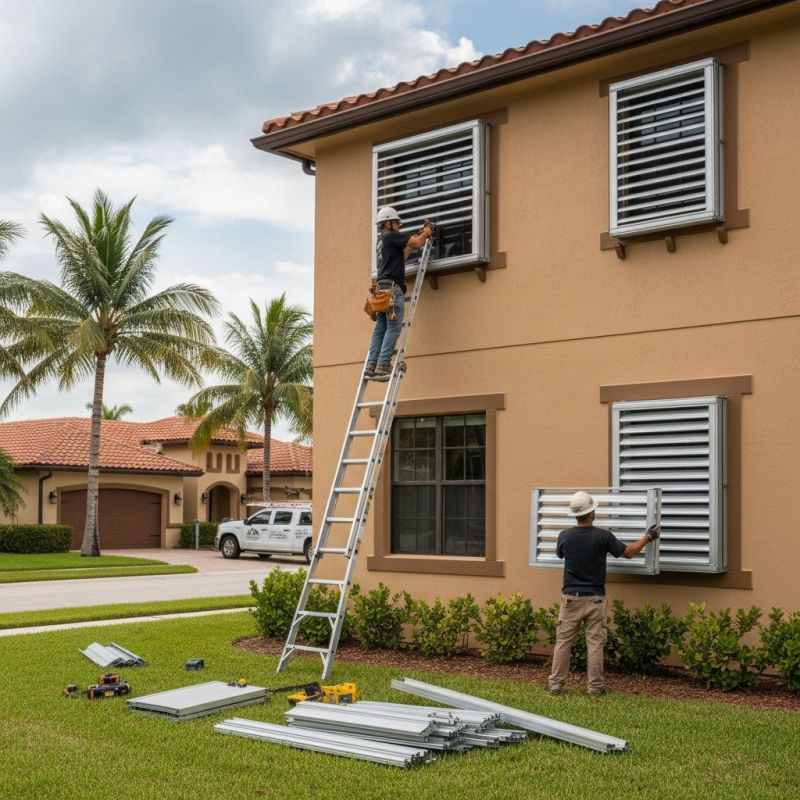
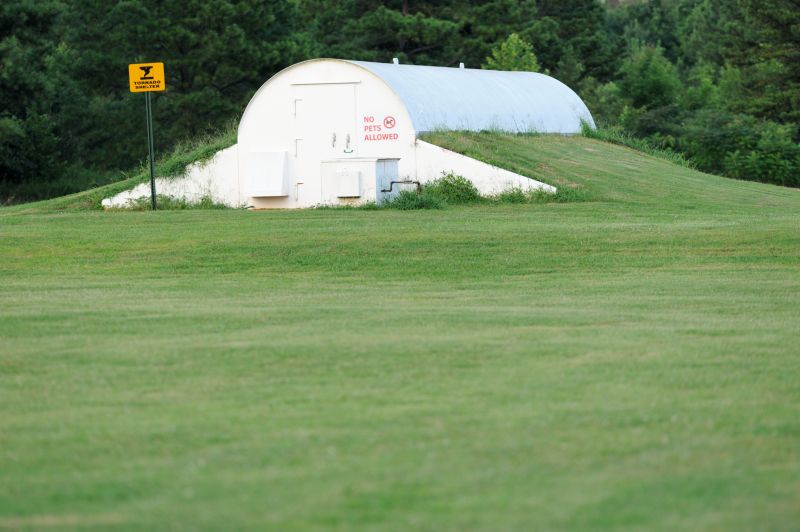
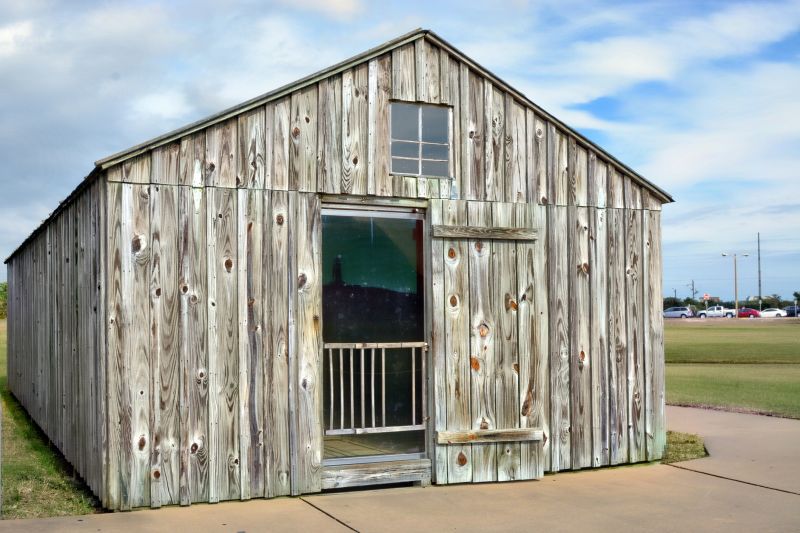
Storm shelter installation services involve the construction and placement of secure, protective structures designed to provide safety during severe weather events such as tornadoes, hurricanes, or intense storms. These structures can be built as underground bunkers, reinforced rooms within existing basements, or standalone shelters positioned on a property. Skilled service providers assess the property layout, determine the best shelter type, and handle all aspects of installation to ensure the shelter meets safety standards and is properly integrated into the home or property.
This service helps address concerns related to storm safety by providing a dedicated safe space that offers protection from flying debris, strong winds, and other dangerous weather conditions. Having a storm shelter can reduce the risk of injury during severe weather events and provide peace of mind for families living in areas prone to such dangers. Proper installation by experienced contractors ensures the shelter is durable, weather-resistant, and accessible when needed, making it a practical solution for homeowners seeking added security.
Storm shelter installation is commonly utilized on residential properties, especially in regions with frequent or intense storm activity. Single-family homes, multi-family complexes, and even some commercial properties may benefit from having a shelter on-site. The size and type of shelter can vary depending on the property’s layout, the number of people it needs to accommodate, and local building codes. Local contractors often work with homeowners to select the right shelter options that fit the property’s design and safety requirements.
Homeowners who live in tornado-prone areas, coastal regions vulnerable to hurricanes, or locations with unpredictable severe weather patterns are most likely to consider storm shelter installation. This service is also relevant for properties with limited interior space or where existing basements do not provide sufficient protection. By connecting with experienced local service providers, property owners can explore options that enhance safety, ensure proper installation, and meet their specific needs for storm preparedness.
The overview below groups typical Storm Shelter Installation projects into broad ranges so you can see how smaller, mid-sized, and larger jobs often compare in your area.
In many markets, a large share of routine jobs stays in the lower and middle ranges, while only a smaller percentage of projects moves into the highest bands when the work is more complex or site conditions are harder than average.
Smaller Repairs - Typical costs for routine storm shelter repairs, such as sealing or minor reinforcement, generally range from $250-$600. Many projects fall within this range, depending on the scope of work and materials used.
Standard Installations - Installing a new storm shelter or upgrading an existing one often costs between $1,500-$3,500. Most local contractors handle these projects within this band, though larger or more complex jobs can exceed this range.
Full Shelter Replacement - Replacing an entire storm shelter, especially larger or custom models, can range from $4,000-$8,000. While many projects stay in the middle of this range, some high-end or complex installations may reach higher costs.
Custom or Large-Scale Projects - Custom-built shelters or multi-unit installations can cost $10,000 or more. These larger projects are less common and typically involve specialized features or extensive site work, leading to higher costs.
Actual totals will depend on details like access to the work area, the scope of the project, and the materials selected, so use these as general starting points rather than exact figures.
Basement Egress Window Installation - this project involves precise planning and excavation skills similar to those needed for storm shelter installations, ensuring safe egress access.
Underground Utility Line Installation - installing underground utilities requires careful planning, trenching, and knowledge of local codes, paralleling the skills used in shelter setup.
Concrete Foundation Pouring - creating a stable foundation for structures like storm shelters involves formwork and concrete work skills common to foundation projects.
Underground Bunker Construction - building underground bunkers shares planning, excavation, and structural work with storm shelter installation services.
Drainage System Installation - designing and installing effective drainage involves site assessment and excavation, similar to preparing for storm shelter placement.
Retaining Wall Construction - constructing retaining walls requires excavation, site planning, and structural skills applicable to shelter installation projects.
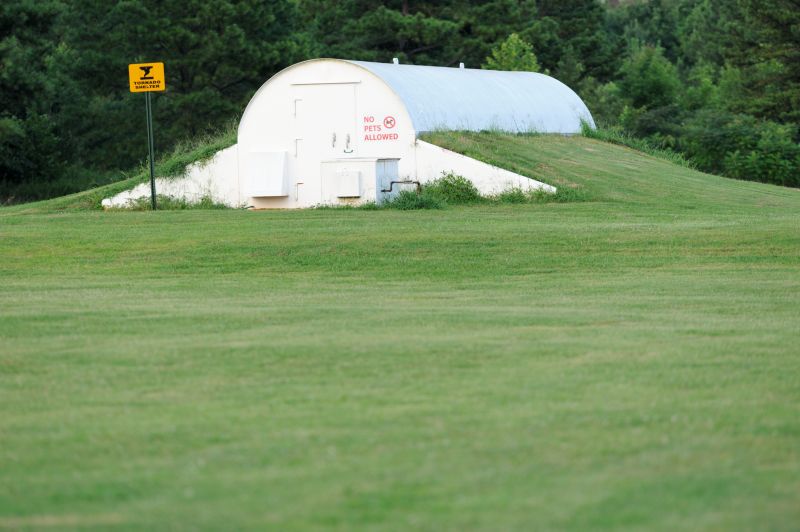
When comparing service providers for storm shelter installation, it’s important to consider their experience with similar projects. Homeowners should look for local contractors who have a proven track record of successfully completing storm shelter installations in the area. Experienced professionals are more likely to understand local building codes, site-specific challenges, and best practices, which can contribute to a smoother process and a reliable outcome. Asking for examples of past work or references related to storm shelter installations can help gauge their familiarity with projects similar to what is needed.
Clear, written expectations are essential when evaluating potential service providers. Homeowners should seek detailed proposals or estimates that outline the scope of work, materials to be used, and any other relevant details. Having this information in writing helps prevent misunderstandings and ensures that everyone is on the same page regarding the project’s requirements. Good communication also involves responsiveness and transparency, so it’s beneficial to observe how promptly and clearly a local contractor responds to inquiries and whether they are willing to clarify the specifics of their services.
Reputable references and a history of trustworthy service are key factors in choosing a storm shelter installer. Homeowners can ask local contractors for references from previous clients, especially those who had similar projects completed. Talking to past customers can provide insights into the contractor’s professionalism, reliability, and quality of work. Additionally, good communication throughout the process-such as timely updates and willingness to answer questions-indicates a commitment to customer satisfaction. It’s important to remember that this site helps connect homeowners with local service providers and does not perform the work itself, so verifying credentials and reputation directly with the pros is a valuable step in making an informed decision.
Property owners use Storm Shelter Installation services for practical projects around their homes and businesses. This guide focuses on everyday jobs and straightforward project options.
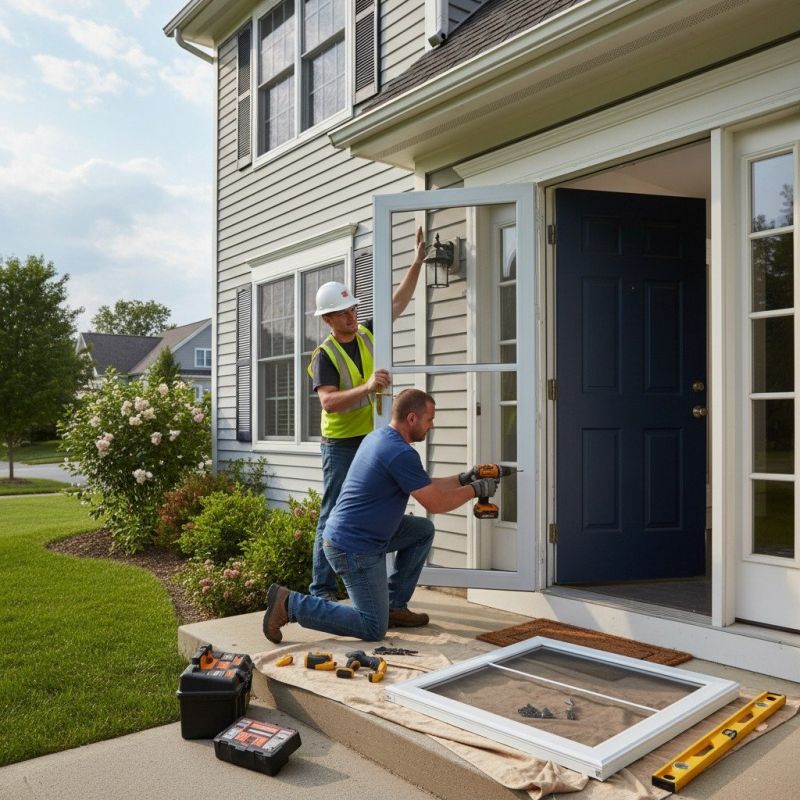
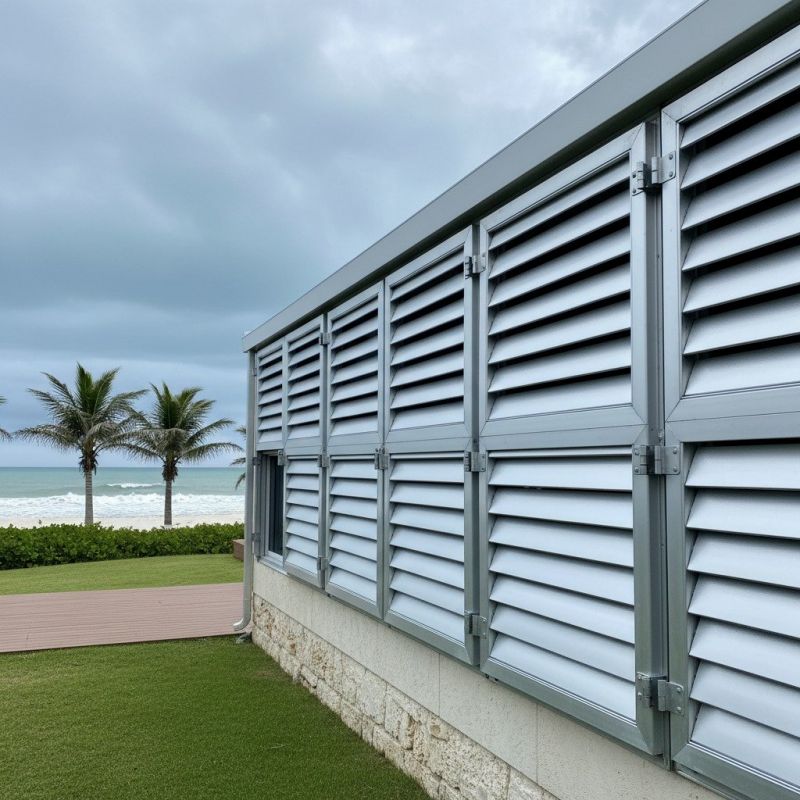
Storm shelter installation is a common project for property owners who want to enhance safety and preparedness. Whether building a new shelter or upgrading an existing one, local contractors can assist with the setup to ensure it meets safety standards and fits the property’s layout. Homeowners and business owners often seek these services when planning for severe weather seasons or when making improvements to their property’s safety features.
Many property owners consider storm shelter installation as part of broader home or facility upgrades, especially when constructing new buildings or renovating existing structures. Others may look for local service providers to add a shelter for peace of mind or to comply with local safety recommendations. Connecting with experienced contractors can help property owners find solutions that suit their specific needs and ensure proper installation.
What types of storm shelters do local contractors install? They typically install various storm shelter options such as in-ground bunkers, above-ground safe rooms, and modular units, tailored to suit different property types and safety needs.
Are storm shelter installations suitable for any property? Most properties can accommodate storm shelters, but the suitability depends on factors like available space, foundation type, and local building codes, which local service providers can assess.
What materials are commonly used in storm shelter construction? Common materials include reinforced concrete, steel, and impact-resistant materials designed to withstand severe weather conditions and provide safety during storms.
Can storm shelters be integrated into existing structures? Yes, many local contractors can incorporate storm shelters into existing homes or buildings, either as standalone units or integrated features, depending on the property's layout.
What maintenance is required for storm shelters after installation? Maintenance typically involves routine inspections for structural integrity, cleaning, and ensuring all entry points and safety features are functional, which local service providers can advise on.
Storm Shelter Installation for Family Safety - Property owners can enhance safety by installing storm shelters in their homes or garages to provide a secure space during severe weather events.
Community Shelter Projects - Local contractors can assist with installing communal storm shelters in neighborhoods or shared spaces for collective protection.
Basement Storm Shelter Construction - Homeowners may add storm shelters to existing basements to create a dedicated safe room for storm preparedness.
Outdoor Shelter Setup - Property owners can choose to install outdoor storm shelters in yards or driveways for quick access during emergencies.
If you are thinking about Storm Shelter Installation for a property, this guide is meant to help you understand the work, the typical project types, and how different options might fit your plans.
When you are ready, you can use the quote form on this page to share a few details about your project. From there, local pros can review the basics and respond with options that match what you have in mind.